Elegant Neutral Tones for Timeless Interiors Bathroom-Cladding
Neutral tones continue to define the foundation of sophisticated bathroom design, offering a timeless appeal that effortlessly adapts to evolving trends and personal preferences. Shades such as soft ivory, warm beige, muted greys, and subtle taupe create a calm and balanced atmosphere that enhances both small and large spaces. These colours act as a versatile backdrop, allowing fixtures, lighting, and accessories to stand out without overwhelming the overall design. In UK homes, where natural light can vary significantly throughout the year, neutral bathroom cladding helps reflect available light, creating a brighter and more inviting environment. The beauty of these tones lies in their ability to remain relevant over time, ensuring that the bathroom retains its elegance without requiring frequent updates. By incorporating neutral palettes into wall finishes, homeowners can achieve a harmonious and refined aesthetic that blends seamlessly with both contemporary and traditional interiors. Beyond their aesthetic appeal, neutral tones offer long-term practicality. Unlike bold or trend-driven colours that may quickly fall out of favour, these classic shades maintain their relevance over time, reducing the need for frequent redesigns or costly updates. Their enduring nature ensures that the bathroom remains stylish and sophisticated for years to come, making them a smart investment for both homeowners and property developers. Additionally, neutral palettes provide an excellent foundation for layering textures and materials. From matte and gloss finishes to natural stone effects and subtle patterns, these tones allow for creative expression without compromising harmony. The result is a space that feels thoughtfully curated, where every element contributes to a cohesive and refined overall look. By incorporating neutral tones into bathroom cladding, homeowners can achieve a perfect balance of elegance, functionality, and longevity. The result is a tranquil and inviting environment that not only meets practical needs but also offers a sense of comfort and understated luxury—an essential quality in modern bathroom design.
Marble-Inspired Luxury Finishes Bathroom-Cladding
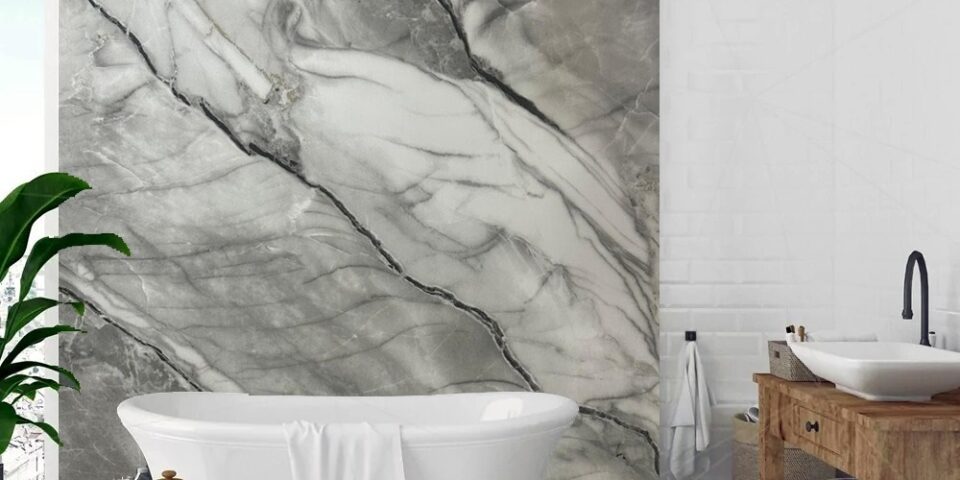
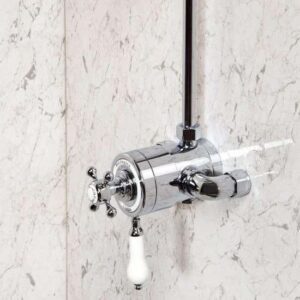
Marble-inspired finishes have become a hallmark of luxury bathroom design, bringing a sense of opulence and sophistication without the maintenance challenges of natural stone. These surfaces replicate intricate veining patterns and soft tonal variations, creating a visually rich environment that elevates the entire space. In UK bathrooms, where practicality is just as important as style, marble-effect bathroom cladding offers the perfect balance between aesthetics and durability. The reflective quality of these finishes enhances light distribution, making bathrooms appear more spacious and airy. Whether used across entire walls or as a statement feature, marble-inspired textures introduce a sense of grandeur that transforms everyday routines into a more indulgent experience. The result is a solution that delivers the elegance of marble alongside the durability needed for long-term performance. In addition to their practical benefits, marble-effect finishes play a significant role in enhancing the perception of space and light. Their naturally reflective surfaces help to distribute both natural and artificial light more effectively, creating a brighter and more open environment. This is especially valuable in smaller bathrooms or spaces with limited natural light, where the right wall finish can dramatically influence the overall atmosphere. Lighter marble tones, such as white with soft grey veining or warm cream variations, can make a room feel expansive and airy, while darker options introduce depth and a more dramatic, boutique-style ambience. The versatility of marble-inspired cladding also allows it to be used in a variety of ways, depending on the desired design outcome. Covering entire walls with marble-effect panels creates a seamless, spa-like environment that exudes calm and continuity. Alternatively, using these finishes as a feature wall—perhaps behind a bath, vanity unit, or walk-in shower—adds a focal point that draws the eye and enhances the room’s visual interest. When paired with complementary materials such as matte black fixtures, brushed brass accents, or minimalist glass enclosures, the result is a balanced composition that feels both contemporary and timeless.
High-Gloss Finishes for Modern Brilliance Bathroom-Cladding
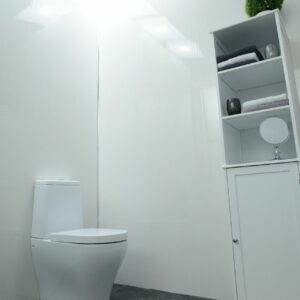
High-gloss surfaces are ideal for creating a sleek and contemporary bathroom aesthetic, particularly in modern UK homes where clean lines and minimalism are highly valued. These finishes reflect both natural and artificial light, amplifying brightness and giving the illusion of a larger space. The smooth, polished surface enhances the perception of cleanliness, making it a popular choice for homeowners seeking a crisp and refined look. High-gloss bathroom cladding pairs exceptionally well with chrome fixtures, glass enclosures, and minimalist fittings, creating a cohesive and modern design language that feels both fresh and sophisticated. This is especially beneficial in smaller bathrooms or spaces with limited windows, where maximising light is essential to avoid a cramped or dim atmosphere. The reflective quality not only improves visibility but also contributes to a fresh and uplifting environment that feels clean and inviting throughout the day. Beyond their visual impact, high-gloss surfaces also reinforce the perception of cleanliness and order. Their smooth, non-porous finish creates a seamless look that minimises visual clutter, allowing the bathroom to maintain a crisp and well-maintained appearance. Water spots, soap residue, and everyday marks are easier to wipe away compared to more textured materials, making these surfaces both hygienic and practical for busy households. This combination of aesthetic appeal and low-maintenance functionality makes high-gloss cladding a smart choice for those seeking both style and convenience. In terms of design compatibility, high-gloss bathroom cladding offers remarkable versatility. It pairs effortlessly with chrome fixtures, stainless steel accents, and frameless glass enclosures, all of which contribute to a cohesive and modern design language. The reflective nature of gloss surfaces enhances the shine of metallic fittings, creating a unified and harmonious look. For those aiming to introduce subtle contrast, high-gloss panels can also be combined with matte finishes or natural textures such as wood-effect elements, adding depth without disrupting the overall minimal aesthetic.
Matte Textures for Subtle Sophistication Bathroom-Cladding
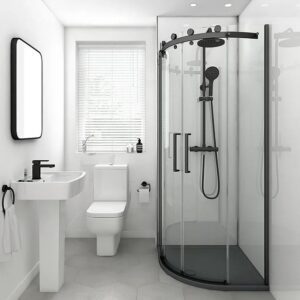
Matte finishes offer a softer, more understated alternative to glossy surfaces, creating a calming and relaxing environment that is ideal for spa-inspired bathrooms. These textures absorb light rather than reflect it, resulting in a muted and elegant appearance that exudes warmth and comfort. In UK interiors, matte bathroom cladding is often used to create a sense of intimacy and tranquillity, particularly in spaces designed for relaxation and self-care. The subtle nature of matte surfaces allows for greater flexibility in colour selection, making it easier to achieve a balanced and harmonious design. Another advantage of matte bathroom cladding lies in its versatility across different design styles and colour palettes. Because matte surfaces do not rely on shine or reflection to make an impact, they allow colours and textures to take centre stage in a more subtle and sophisticated way. Soft neutrals such as warm greys, taupe, stone, and muted beige appear especially elegant in matte finishes, reinforcing a cohesive and harmonious design language. At the same time, deeper tones like charcoal, forest green, or navy can be used effectively to create depth and atmosphere without overwhelming the space. Matte finishes also work exceptionally well in spa-inspired and nature-driven bathroom designs. When paired with natural materials such as wood-effect panels, stone textures, or greenery-inspired accents, they help reinforce a connection to organic, calming environments. This layered approach to design enhances the sensory experience of the bathroom, making it feel more like a wellness retreat than a purely functional room. The absence of shine encourages a more tactile and grounded aesthetic, where textures become more important than reflective surfaces. From a practical perspective, matte bathroom cladding offers several functional benefits. Its non-glossy surface is generally more forgiving when it comes to fingerprints, smudges, and water marks, which can be more visible on high-shine finishes. This makes it a practical option for households seeking a low-maintenance yet stylish solution. Additionally, modern matte cladding materials are designed to be waterproof, durable, and easy to clean, ensuring they perform well in moisture-rich environments such as showers and wet rooms.

Stone and Concrete Effects for Industrial Appeal Bathroom-Cladding
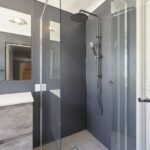
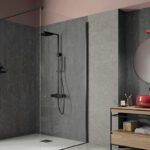
Stone and concrete-inspired finishes bring a bold, industrial edge to modern bathroom design, offering a raw and authentic aesthetic that is both striking and contemporary. These textures mimic the rugged beauty of natural materials while maintaining the practicality required for high-moisture environments. In urban UK settings, where industrial design is increasingly popular, such bathroom cladding styles create a distinctive visual identity that stands out from traditional styles. The combination of textured surfaces and neutral tones adds depth and character, making the bathroom feel more dynamic and architecturally interesting. In modern UK homes, particularly in city apartments and renovated industrial properties, this style aligns closely with contemporary architectural trends. Exposed materials, minimalist layouts, and neutral palettes are often combined to create interiors that feel both functional and design-led. Stone and concrete-inspired bathroom cladding fits seamlessly into this context, reinforcing an urban, loft-style aesthetic that is both modern and timeless. The understated nature of these finishes allows them to complement steel fixtures, matte black fittings, and frameless glass elements, enhancing the overall industrial theme. Despite their raw appearance, these finishes are engineered with practicality in mind. Unlike real stone or poured concrete, which can be heavy, porous, and difficult to maintain, modern cladding alternatives are lightweight, waterproof, and easy to clean. This makes them especially suitable for bathrooms, where exposure to moisture and humidity is constant. Homeowners can achieve the same visual impact as natural materials without the associated challenges of sealing, staining, or long-term upkeep. Another key strength of stone and concrete-inspired surfaces is their ability to create a strong sense of atmosphere. Their muted, earthy tones—ranging from soft greys and cool ash shades to deeper charcoal and slate-like hues—help establish a grounded and calming environment. These colours work particularly well in larger bathrooms, where their depth enhances architectural features, but they are equally effective in smaller spaces when paired with good lighting and minimalist design choices.
Soft Pastel Shades for Gentle Elegance Bathroom-Cladding
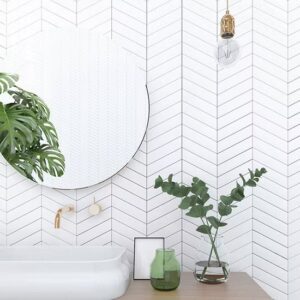
Pastel colours introduce a gentle and refreshing touch to bathroom interiors, creating a light and airy atmosphere that feels both modern and inviting. Shades such as blush pink, mint green, and pale blue are particularly effective in UK homes, where they can brighten spaces and add a subtle hint of colour without overwhelming the design. These tones work beautifully in combination with white fixtures and natural textures, and pastel bathroom cladding enhances this harmony by providing a soft visual transition across surfaces, resulting in a balanced environment that promotes relaxation and comfort. These colours blend seamlessly with classic white sanitaryware, creating a clean and timeless aesthetic that feels crisp and well-balanced. At the same time, they pair beautifully with natural textures such as light wood, stone-effect flooring, or woven accessories, allowing homeowners to introduce warmth and depth without losing the softness of the overall palette. The result is a layered design approach that feels cohesive and thoughtfully curated. Pastel bathroom cladding also offers a smooth visual transition across surfaces, which is particularly important in maintaining a sense of harmony within the space. Unlike high-contrast schemes that can visually segment a room, pastel tones flow gently from wall to wall, helping to unify the design. This continuity is especially effective in smaller bathrooms, where reducing visual fragmentation can make the space feel larger and more organised. From a design perspective, pastel colours are highly adaptable to a range of styles. In minimalist bathrooms, they provide just enough colour to soften the simplicity of white and grey schemes without disrupting the clean aesthetic. In more decorative or vintage-inspired interiors, pastel tones can enhance a sense of charm and character, particularly when paired with brushed brass fixtures, rounded mirrors, or traditional detailing. This flexibility makes them suitable for a wide variety of design preferences and property types. Another advantage of pastel finishes is their ability to create a calming emotional atmosphere. Soft hues are often associated with tranquillity, wellbeing, and comfort, making them ideal for bathrooms intended as personal retreat spaces. Whether used in full-room cladding or as accent walls within shower areas or behind vanity units, pastel tones contribute to a soothing environment that encourages relaxation and slow-paced routines.

Dark and Dramatic Colour Schemes Bathroom-Cladding
Dark tones such as charcoal, navy, and deep green are increasingly being used to create bold and dramatic bathroom interiors. These colours add depth and sophistication, transforming the bathroom into a luxurious retreat that feels both intimate and refined. When paired with contrasting elements such as metallic fixtures or light-coloured flooring, dark bathroom cladding creates a striking visual impact that elevates the overall design. In UK bathrooms, this approach is particularly effective in larger spaces where the richness of dark tones can be fully appreciated. In larger UK bathrooms, this design approach can be fully appreciated, as the increased space allows dark tones to breathe without feeling restrictive. Expansive walls clad in deep colours create a cocoon-like effect, enhancing the feeling of privacy and relaxation. Instead of overwhelming the room, these tones define it, adding architectural presence and a sense of intentional design. When paired with carefully planned lighting, the depth of colour becomes even more dynamic, shifting subtly throughout the day as natural and artificial light interact with the surfaces. Contrast is essential when working with dark bathroom cladding. Pairing deep-toned walls with lighter elements helps to maintain balance and visual clarity within the space. Light-coloured flooring, such as marble-effect tiles, soft stone finishes, or pale wood textures, prevents the design from feeling too heavy while enhancing the overall sense of openness. Similarly, metallic fixtures—whether in brushed brass, polished chrome, or matte black—introduce highlights that break up the darkness and add a layer of refinement. These contrasting details help to define the space and create a more curated, high-end aesthetic. Lighting design also plays a crucial role in enhancing dark interiors. Rather than relying on a single overhead source, layered lighting helps to soften shadows and bring out the richness of the surfaces. Wall-mounted lights, recessed LEDs, and backlit mirrors can all contribute to a more balanced and atmospheric environment. When used effectively, lighting transforms dark cladding from a flat surface into a textured, dimensional feature that changes character depending on the time of day.

Wood-Effect Finishes for Natural Warmth Bathroom-Cladding
Wood-inspired textures bring a sense of warmth and organic beauty to bathroom interiors, offering a natural aesthetic that is both comforting and timeless. These finishes replicate the grain and texture of real wood while providing the durability and water resistance required for bathroom use. In UK homes, where creating a cosy and inviting atmosphere is often a priority, wood-effect bathroom cladding helps bridge the gap between modern design and natural elements, resulting in a balanced and welcoming space. From a practical standpoint, wood-inspired bathroom cladding offers significant advantages over real timber. Traditional wood is highly sensitive to moisture, often requiring extensive treatment and ongoing maintenance to prevent warping or damage. In contrast, modern cladding systems are designed to be fully waterproof, mould-resistant, and easy to clean, making them ideal for long-term use in bathrooms. This allows homeowners to enjoy the beauty of wood without the limitations typically associated with natural materials. The visual flexibility of wood-effect panels also makes them ideal for both large and small bathrooms. In compact spaces, lighter wood tones can help create a sense of openness while still adding warmth, preventing the room from feeling stark. In larger bathrooms, richer wood textures can be used more boldly, either across entire walls or as feature sections, to create a spa-like retreat that feels grounded and immersive. Lighting further enhances the appeal of wood-inspired finishes. Warm lighting brings out the natural undertones of the grain, highlighting subtle variations and adding depth to the surface. Soft ambient lighting, in particular, works well with wood textures, reinforcing the calm and relaxing atmosphere that many homeowners aim to achieve in bathroom spaces. The interplay between light and wood creates a dynamic yet soothing environment that evolves throughout the day.

Textured Surfaces for Added Depth Bathroom-Cladding
Textured cladding introduces a tactile dimension to bathroom design, adding visual interest and depth to otherwise flat surfaces. Subtle patterns, embossed finishes, and layered effects create a dynamic environment that engages the senses without overwhelming the space. In UK bathrooms, where design often focuses on both functionality and aesthetics, textured bathroom cladding provides an opportunity to enhance visual appeal while maintaining practicality. Lighting plays a crucial role in maximising the effect of textured surfaces. Because textures interact with light in varied ways, even small adjustments in lighting direction or intensity can significantly change the appearance of the walls. Side lighting or recessed fixtures can highlight raised details and shadows, enhancing depth and definition. Meanwhile, softer ambient lighting can tone down the contrast, creating a more subtle and soothing effect. This adaptability ensures that textured bathroom cladding remains visually interesting at all times of day. Textured finishes also work particularly well when combined with other design materials. When paired with smooth matte surfaces, they create a balanced contrast that prevents the overall design from feeling too uniform. Combined with natural wood effects or stone-inspired finishes, they contribute to layered, nature-inspired interiors that feel grounded and cohesive. Even within monochromatic schemes, texture alone can provide enough variation to keep the design engaging without introducing additional colours. From a design perspective, textured cladding offers a way to introduce personality into bathroom interiors without relying on bold colour choices or complex patterns. It allows for subtle sophistication, where detail is appreciated gradually rather than immediately. This makes it particularly suitable for homeowners who prefer understated elegance but still want a space that feels thoughtfully designed and visually rich.

Large-Format Panels for Seamless Style Bathroom-Cladding
Large-format panels are a defining feature of modern bathroom design, offering a seamless and uninterrupted surface that enhances both aesthetics and functionality. By reducing the number of joints and grout lines, these panels create a cleaner and more streamlined appearance that is easier to maintain. In UK homes, where space optimization is often essential, large-format bathroom cladding helps create the illusion of a bigger, more open bathroom, contributing to a more comfortable and visually appealing environment. Installation efficiency is another important factor that contributes to the popularity of large-format panels. Compared to traditional tiling methods, which can be time-consuming and labour-intensive, these panels can often be installed more quickly, depending on the system used. Fewer individual pieces mean fewer alignment challenges, resulting in a more consistent finish across the entire bathroom. Large-format bathroom cladding also works exceptionally well in creating feature walls or full-room installations. A single continuous surface behind a freestanding bath or within a walk-in shower can act as a striking focal point, adding a sense of luxury and design intention. At the same time, when used across all walls, it creates a spa-like environment that feels cohesive, immersive, and carefully considered. Lighting further enhances the impact of these panels. Because the surfaces are broad and uninterrupted, they interact with light in a more uniform way, allowing for soft gradients and subtle reflections. This helps reinforce the clean, modern aesthetic while also contributing to a more relaxed and balanced atmosphere. Ultimately, large-format bathroom cladding offers a powerful combination of style, practicality, and spatial enhancement. It simplifies maintenance, improves hygiene, and elevates visual design through its seamless appearance. In modern UK bathrooms, these panels represent an intelligent design choice—transforming everyday spaces into sleek, open, and highly functional environments that feel both contemporary and timeless.
Metallic Accents for Contemporary Flair Bathroom-Cladding
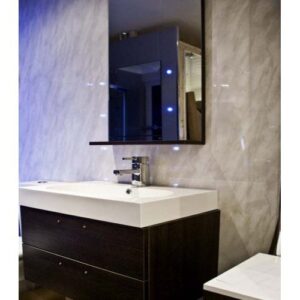
Metallic finishes add a touch of modern elegance and sophistication to bathroom interiors, reflecting light and creating subtle highlights that enhance the overall design. Whether incorporated through accents or integrated into the cladding itself, metallic tones such as brushed gold, silver, and bronze bring a contemporary edge. In UK bathrooms, metallic bathroom cladding is often used to introduce a sense of luxury and refinement without overwhelming the space, ensuring a balanced yet striking aesthetic. Beyond their light-enhancing properties, metallic finishes introduce a strong sense of modern elegance. Brushed gold tones, for example, offer a warm and luxurious aesthetic that pairs beautifully with neutral palettes, marble-effect surfaces, and soft lighting. Silver and chrome finishes, on the other hand, contribute to a cleaner, more contemporary look, often associated with minimalist and high-tech bathroom designs. Bronze and copper bring a richer, more grounded character, ideal for creating warmer, more atmospheric interiors with a slightly vintage or industrial influence. In UK homes, metallic bathroom cladding is often used strategically rather than overwhelmingly, ensuring the space remains balanced and comfortable. Full metallic walls can create a bold, statement-making environment, but more commonly, these finishes are incorporated as feature elements. For instance, a metallic-clad shower wall, vanity backdrop, or bath surround can act as a focal point without dominating the entire room. This selective use allows homeowners to enjoy the luxury of metallic finishes while maintaining visual harmony. Another key advantage of metallic surfaces is their versatility when paired with other materials. They work exceptionally well alongside matte finishes, where the contrast between soft, non-reflective surfaces and subtle sheen creates a balanced and sophisticated composition. When combined with stone-inspired textures or wood-effect cladding, metallic accents add refinement and help tie together natural and modern elements. This adaptability makes them suitable for a wide range of bathroom styles, from ultra-modern minimalism to more eclectic or spa-inspired designs.

Patterned Designs for Statement Walls Bathroom-Cladding
Patterned cladding offers an opportunity to create bold and expressive statement walls that become the focal point of the bathroom. From geometric designs to intricate motifs, these patterns add personality and visual interest, allowing homeowners to experiment with unique styles. In UK interiors, patterned bathroom cladding provides a creative outlet for those looking to make a distinctive design statement while maintaining cohesion within the space. Geometric patterns are particularly popular in contemporary bathroom design. Their structured repetition and clean lines align well with modern and minimalist interiors, adding rhythm and order to the space. Depending on the scale and contrast, geometric patterns can either create a subtle background texture or a bold, graphic statement. When paired with neutral tones or monochromatic schemes, they bring depth without overwhelming the overall design. More intricate motifs, on the other hand, allow for a more expressive and artistic approach. These designs can introduce cultural influences, organic forms, or abstract visual storytelling into the bathroom. When used thoughtfully, they add richness and individuality, making the space feel more personalised and distinctive. This type of cladding is often used sparingly, ensuring that it enhances rather than dominates the interior. Another advantage of patterned cladding is its ability to influence spatial perception. Vertical patterns can make ceilings feel higher, while horizontal designs can visually widen a room. Repeating motifs can also create a sense of continuity, helping to unify different zones within larger bathrooms. This makes patterned surfaces not only decorative but also functionally useful in shaping how a space is experienced.
Light-Reflective Surfaces for Brighter Spaces Bathroom-Cladding
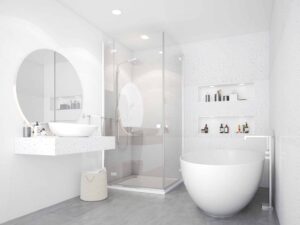
Light-reflective finishes play a crucial role in enhancing the brightness and openness of bathroom interiors, particularly in UK homes where natural light may be limited. These surfaces help distribute light more evenly, creating a brighter and more welcoming environment. By maximizing available light, reflective bathroom cladding contributes to a more spacious and uplifting atmosphere, improving both functionality and visual appeal. These finishes are available in a variety of styles, from subtle satin sheens to high-gloss and polished effects. High-gloss surfaces offer the strongest reflective quality, producing a crisp, modern appearance that amplifies brightness and adds a sleek, contemporary edge. Satin and semi-gloss finishes, on the other hand, provide a more understated reflection, striking a balance between softness and luminosity. This range of options allows homeowners to tailor the level of reflectivity to suit their preferred aesthetic and functional needs. In UK bathroom design, where creating a sense of light and comfort is often a priority, reflective cladding plays a particularly important role. Seasonal changes and limited window access in many properties can make bathrooms feel dim or enclosed. Light-reflective surfaces help counteract this by maximizing every available source of illumination, whether it comes from overhead lighting, wall fixtures, or natural daylight. This ensures the space remains consistently bright and welcoming, regardless of external conditions. Another advantage of reflective finishes is their ability to enhance the overall cleanliness and freshness of the bathroom environment. Smooth, reflective surfaces naturally appear more polished and well-maintained, contributing to a crisp and hygienic aesthetic. When combined with minimalist design elements and neutral colour palettes, they reinforce a sense of order and simplicity that is highly desirable in modern interiors. Reflective bathroom cladding also works exceptionally well in conjunction with thoughtful lighting design. Layered lighting strategies—such as recessed ceiling lights, LED strip lighting, illuminated mirrors, and accent fixtures—become more effective when paired with reflective surfaces. The light is amplified and diffused across the room, reducing harsh contrasts and creating a soft, ambient glow. This interplay between surface and lighting design enhances both functionality and atmosphere.

Minimalist Designs for Clean Aesthetics Bathroom-Cladding
Minimalist bathroom design focuses on simplicity, clarity, and functionality, with clean lines and uncluttered surfaces defining the overall aesthetic. Cladding that supports this approach often features subtle colours and smooth finishes that create a calm and organized environment. In UK homes, minimalist bathroom cladding is particularly popular, as it offers a timeless and versatile solution that adapts easily to changing trends while maintaining a refined and sophisticated look. Although minimalist design is often associated with simplicity, it does not have to feel plain or lacking in character. Subtle variations in texture, tone, and material can introduce quiet depth without disrupting the overall harmony. For example, a slightly matte finish can soften the appearance of a wall, while a very light stone or concrete effect can add just enough visual interest to prevent the space from feeling sterile. The key is restraint, ensuring that every design choice supports the broader goal of balance and simplicity. Minimalist bathroom cladding also works exceptionally well with concealed storage solutions and integrated fixtures. By reducing visible hardware and keeping surfaces uninterrupted, the design maintains its clean and streamlined appearance. Wall-mounted vanities, hidden cisterns, and frameless glass enclosures all contribute to this cohesive aesthetic, reinforcing the sense of order and efficiency within the space. From a practical perspective, modern cladding materials used in minimalist bathrooms are designed for durability and ease of maintenance. Their smooth surfaces are typically water-resistant, easy to clean, and resistant to mould, making them ideal for everyday use. This combination of low maintenance and visual refinement aligns perfectly with the minimalist ethos of simplicity not only in appearance but also in upkeep. Ultimately, minimalist bathroom cladding offers a refined and enduring design solution that prioritises clarity, functionality, and calmness. It transforms bathrooms into serene, well-ordered spaces where every element feels intentional and balanced. In contemporary UK interiors, this approach continues to resonate strongly, providing homeowners with a timeless style that remains elegant, adaptable, and effortlessly sophisticated over time.

Combining Colours and Textures for Unique Results Bathroom-Cladding
The true potential of bathroom design lies in the ability to combine different colours and textures to create a unique and personalized space. By blending contrasting finishes—such as matte and gloss, light and dark, or smooth and textured—homeowners can achieve a layered and visually engaging environment. In UK bathrooms, combining different styles of bathroom cladding allows for greater creativity and flexibility, ensuring that each space is not only functional but also a true expression of personal taste and design vision. Texture also plays a crucial role in multi-layered bathroom design. Smooth surfaces provide a clean, modern foundation, while textured cladding introduces tactile interest and visual complexity. Subtle stone effects, wood-inspired grains, or lightly embossed patterns can all be used to break up uniformity and add dimension. When carefully balanced, these textures enrich the design without disrupting its overall harmony, ensuring the space remains both engaging and cohesive. In UK bathrooms, where homeowners often seek both practicality and individuality, the ability to mix different styles of bathroom cladding offers significant design flexibility. Modern cladding systems are available in a wide range of finishes, making it easier to combine materials without compromising durability or water resistance. This allows for creative freedom while still maintaining the functional requirements of a wet environment. Another advantage of combining different finishes is the ability to define zones within the bathroom. For example, a glossy panel inside a shower enclosure can create a clean, reflective space that is easy to maintain, while a matte or textured finish around the vanity area can introduce warmth and softness. This zoning effect helps organise the space visually, making it feel more structured and intentional, especially in open-plan or compact bathrooms. Lighting enhances the impact of mixed materials even further. Reflective surfaces can amplify brightness, while matte and textured finishes absorb light and create depth. By layering lighting sources—such as ceiling lights, wall sconces, and LED accents—homeowners can highlight different materials and create shifting moods throughout the day. This dynamic interaction between light and surface brings the design to life, making the bathroom feel more immersive and adaptable.