
Bathroom-Cladding and the Popularity of Timeless Neutral Shades
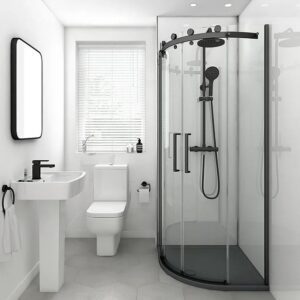
Neutral tones continue to be a cornerstone of modern UK bathroom design, especially when used within contemporary bathroom cladding, where their versatility, softness, and timeless appeal make them one of the most reliable foundations for both small and large interior spaces. These shades—ranging from soft beige and warm taupe to creamy off-white, stone grey, and muted greige—create a naturally calming environment that feels balanced and visually cohesive. Unlike more dramatic colour schemes, neutrals do not compete for attention; instead, they provide a subtle backdrop that allows other design elements such as sanitaryware, lighting, and decorative accents to take centre stage. This makes them particularly effective in bathrooms where long-term design flexibility is a priority, as they can easily adapt to changing trends without requiring a complete renovation. One of the most important advantages of neutral bathroom wall panels is their ability to enhance spatial perception. In smaller UK bathrooms, en-suites, or cloakrooms where natural light may be limited, light-reflective neutral tones help to visually expand the room by bouncing available light across surfaces. This creates a brighter, airier atmosphere that reduces any sense of confinement, making the space feel more open and comfortable. Even in larger bathrooms, neutral cladding contributes to a sense of calm order and continuity, ensuring that the design remains cohesive rather than visually fragmented. Texture adds another layer of sophistication to neutral bathroom cladding systems. Rather than relying solely on colour, modern panels often incorporate subtle finishes such as satin sheens, soft stone effects, or lightly brushed textures that introduce depth without disrupting the minimalist aesthetic. These understated surface variations prevent neutral designs from feeling flat or uninspired, instead giving them a refined, architectural quality. The result is a surface that feels both simple and thoughtfully detailed, aligning perfectly with contemporary design principles that emphasize quiet luxury and understated elegance.
Bathroom-Cladding in Luxurious Marble-Effect Finishes
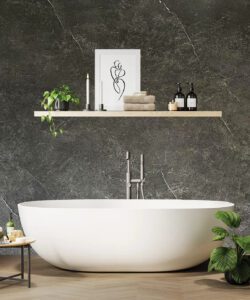
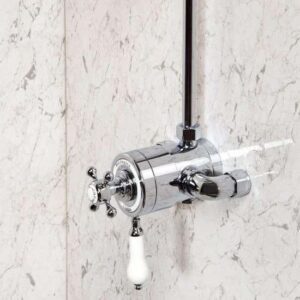
Marble-inspired finishes continue to dominate luxury interior trends across the UK, and within modern bathroom cladding, they represent one of the most refined and visually impactful design choices available today. These panels are specifically engineered to replicate the timeless elegance of natural marble, capturing its distinctive veining patterns, tonal depth, and organic movement without the cost, weight, or maintenance challenges associated with real stone. The result is a surface that delivers high-end visual sophistication while remaining practical, waterproof, and easy to install—making it an ideal solution for both contemporary renovations and new bathroom designs. One of the most compelling aspects of marble-effect bathroom wall panels is their ability to introduce a sense of architectural luxury into any space. Classic white marble with soft grey veining remains the most popular option, largely due to its ability to create a clean, bright, and spacious atmosphere that works seamlessly in both traditional and modern interiors. This timeless combination enhances natural light and provides a neutral yet elegant backdrop that complements a wide range of fixtures and finishes. On the other hand, darker marble-inspired designs—such as black marble with gold veining or deep charcoal with white streaks—offer a more dramatic and opulent aesthetic, often used in high-end bathroom concepts where bold visual impact is desired. The realism of marble-effect cladding is achieved through advanced digital printing and surface texturing techniques that replicate the intricate details found in natural stone. Subtle variations in veining thickness, directional flow, and tonal shading create a layered, organic appearance that prevents the design from feeling flat or repetitive. This attention to detail ensures that each panel contributes to a continuous visual narrative across the walls, especially when installed as large-format bathroom cladding sheets that minimize joins and seams. The seamless effect is particularly important in achieving a premium finish, as it allows the marble pattern to flow uninterrupted, closely mimicking the appearance of a solid stone slab.
Bathroom-Cladding Featuring Soft Matte Textures for Modern Simplicity
Matte finishes have become a defining element of modern UK bathroom design, especially within contemporary bathroom cladding, where they offer a refined, understated alternative to the high-shine aesthetics of gloss surfaces. Unlike reflective panels, matte textures absorb light rather than bounce it back, creating a calm, velvety visual effect that feels balanced, soft, and sophisticated. This light-absorbing quality helps to reduce glare and visual noise, resulting in a more serene bathroom environment that is particularly well-suited to relaxation-focused interiors. As homeowners increasingly prioritise wellness-inspired spaces, matte bathroom wall panels have become a popular choice for creating interiors that feel grounded, soothing, and effortlessly modern. The colour palette associated with matte cladding plays a crucial role in shaping its overall impact. Muted tones such as sage green, dusty blue, warm taupe, soft beige, and charcoal grey are especially effective, as they enhance the subtlety of the finish while adding gentle depth and character. These colours work harmoniously within both small and large bathrooms, offering flexibility across a wide range of design styles. In smaller spaces, lighter matte shades help maintain a sense of openness without overwhelming the room, while darker tones can introduce a more intimate and cocoon-like atmosphere in larger bathrooms. The understated nature of matte finishes ensures that colour remains elegant and controlled rather than overly bold or intrusive. Texture is another key advantage of matte bathroom cladding panels. The smooth yet non-reflective surface provides a tactile softness that contributes to the overall comfort of the space. This subtle texture helps to bridge the gap between visual design and sensory experience, making the bathroom feel warmer and more inviting. Unlike high-gloss surfaces, which can sometimes feel cold or clinical, matte finishes introduce a sense of organic calm that aligns well with natural materials such as wood-effect panels, stone textures, and soft textiles. This makes them highly versatile when creating layered, multi-material bathroom designs.
Bathroom-Cladding with High-Gloss Finishes for a Reflective Elegance
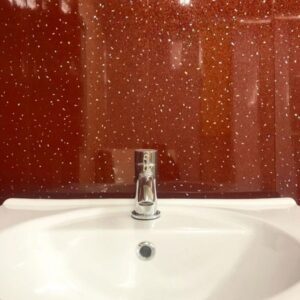
High-gloss finishes have become a defining feature of sleek, contemporary interiors, and within modern bathroom cladding, they are widely recognised for their ability to transform even the simplest bathroom into a bright, polished, and visually expansive space. These panels are designed with a highly reflective surface that mimics the effect of glass or polished lacquer, allowing them to bounce both natural and artificial light around the room. This reflective quality is especially valuable in compact UK bathrooms, en-suites, and cloakrooms, where maximizing perceived space is essential. By amplifying light distribution, high-gloss cladding creates an open, airy atmosphere that makes smaller rooms feel significantly larger and more inviting. The colour versatility of high-gloss bathroom wall panels is another key reason for their popularity. Crisp white remains the most widely used option, delivering a clean, minimalist aesthetic that aligns perfectly with modern design trends and Scandinavian-inspired interiors. However, bolder choices such as jet black, deep navy, emerald green, and even rich burgundy are increasingly being used to create dramatic, statement-making bathroom designs. These darker glossy finishes reflect light in a more subtle, moody way, adding depth and sophistication while still maintaining the sleek, polished appearance that defines high-gloss surfaces. This balance between colour intensity and reflective shine allows homeowners to tailor the atmosphere of their bathroom, from bright and clinical to luxurious and atmospheric. Texture plays a crucial role in defining the overall feel of high-gloss cladding panels. The ultra-smooth surface creates a seamless visual flow across walls, eliminating interruptions such as grout lines and uneven finishes commonly found in traditional tiling. This uninterrupted surface not only enhances the modern aesthetic but also contributes to a more hygienic environment, as there are fewer areas for dirt and moisture to accumulate. The result is a bathroom that feels clean, refined, and easy to maintain, which is a major advantage for busy households and contemporary lifestyles.
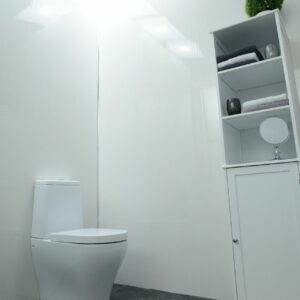
Bathroom-Cladding Inspired by Natural Stone Textures
Natural stone textures have become a defining element in modern UK bathroom design, offering an organic, grounded aesthetic that brings a strong connection to the natural world into interior spaces, particularly within contemporary bathroom cladding systems. These finishes are designed to replicate the raw beauty of materials such as slate, limestone, travertine, and granite, capturing their earthy tones, layered formations, and subtle imperfections while eliminating the challenges associated with heavy natural stone installation. The result is a visually rich and highly practical alternative that allows homeowners to enjoy the timeless appeal of stone without the structural limitations, high cost, or intensive maintenance requirements of genuine masonry surfaces. The strength of stone-effect bathroom panels lies in their ability to create depth and authenticity through natural-looking variation. Unlike flat or uniform surfaces, these cladding panels incorporate soft tonal shifts, mineral-like patterns, and subtle veining that mimic the geological complexity of real stone. Slate-inspired finishes often feature darker, layered tones with fine texture lines that evoke a sense of rugged sophistication, while limestone-effect panels tend to offer softer, warmer hues that create a calm and inviting atmosphere. Granite-style designs, on the other hand, bring a more polished and refined appearance, ideal for homeowners seeking a balance between natural inspiration and modern elegance. Texture plays a crucial role in enhancing the sensory experience of stone-effect bathroom cladding. Many panels are designed with lightly embossed or tactile surfaces that replicate the slightly uneven feel of natural rock formations, adding an extra layer of realism to the design. This subtle roughness not only enhances visual authenticity but also contributes to the overall atmosphere of the space, making it feel more grounded, stable, and connected to nature. When combined with seamless installation techniques, these textures create uninterrupted wall surfaces that maintain a clean yet organic aesthetic, free from grout lines or visual breaks.

Bathroom-Cladding in Warm Wood-Effect Finishes
Wood-effect finishes have become a cornerstone of modern UK bathroom design, offering a perfect balance between natural aesthetics and practical performance, especially within contemporary bathroom cladding systems. These panels are engineered to replicate the warmth, grain detail, and tonal variation of real timber while eliminating the common drawbacks associated with natural wood in high-moisture environments. As a result, homeowners can achieve the calming, organic feel of wood without worrying about warping, swelling, or long-term water damage. This makes wood-effect cladding an ideal solution for bathrooms where both style and durability are equally important. The visual appeal of wood-effect bathroom panels lies in their remarkable attention to detail. Advanced printing and embossing technologies allow manufacturers to recreate intricate grain patterns, knots, and natural imperfections that give real timber its character. Available in a wide spectrum of finishes—from pale Scandinavian-inspired oak and soft ash tones to rich walnut, dark teak, and rustic driftwood effects—these panels offer flexibility for a variety of design preferences. Lighter wood tones tend to create an airy, minimalist aesthetic that works well in smaller bathrooms, while darker finishes add depth, sophistication, and a sense of luxury to larger spaces. Texture plays a significant role in enhancing the realism and appeal of wood-effect cladding. Many modern panels feature subtle embossed surfaces that mimic the tactile feel of real timber grain, adding an extra layer of authenticity that enhances both visual and sensory experience. This combination of texture and colour helps soften the often clinical feel of bathroom interiors, replacing it with a more grounded and comforting atmosphere. The seamless installation of these panels further enhances their appeal, as the absence of grout lines creates a smooth, uninterrupted surface that feels modern and cohesive.

Bathroom-Cladding in Bold Dark Colour Schemes
Dark colour palettes have become a defining feature of contemporary UK interiors, and within modern bathroom cladding, they are increasingly used to create bold, atmospheric spaces that feel both luxurious and architecturally refined. Shades such as deep charcoal, matte black, midnight navy, and rich graphite introduce a strong sense of depth and intimacy, transforming the bathroom from a purely functional area into a carefully curated design statement. These darker tones are particularly effective in larger bathrooms or well-lit spaces, where they can be fully appreciated without overwhelming the room. Instead of feeling enclosed, when designed correctly, dark bathroom panels can actually enhance the perception of sophistication, giving the space a hotel-inspired or spa-like ambiance that feels immersive and elevated. One of the key strengths of dark cladding panels lies in their ability to create contrast, especially when paired with lighter elements or metallic accents. Gold, brass, and brushed copper fixtures stand out beautifully against darker backgrounds, adding warmth and a touch of glamour that softens the intensity of the colour scheme. Similarly, pairing dark bathroom wall panels with white sanitaryware or light stone flooring can create a visually balanced composition that prevents the space from feeling too heavy. This interplay of light and dark is central to modern interior design, where contrast is used deliberately to add structure, depth, and visual interest. Texture plays an equally important role in the success of dark bathroom designs. Flat, uniform surfaces can sometimes feel too harsh or overpowering, so textured finishes such as stone-effect cladding, satin surfaces, or lightly brushed patterns are often preferred. These textures help diffuse light subtly across the surface, breaking up the intensity of darker tones and adding dimension to the walls. For example, a charcoal stone-effect panel may feature soft variations in tone that mimic natural materials, while a satin black finish can introduce a gentle sheen that catches light without becoming overly reflective. This careful use of texture ensures that dark cladding remains visually rich rather than flat or oppressive.

Bathroom-Cladding in Soft Pastel Colour Palettes
Pastel colours are experiencing a strong revival in UK bathroom design, and within modern bathroom cladding, they offer a refreshing shift away from purely neutral schemes by introducing soft, uplifting tones that enhance both mood and atmosphere. Shades such as blush pink, mint green, powder blue, lavender, and soft peach are increasingly being used to create bathrooms that feel light, calming, and subtly expressive without becoming visually overwhelming. These colours work particularly well in contemporary homes where the goal is to achieve a balance between personality and restraint, allowing the bathroom to feel styled yet still serene. Unlike bold saturated tones, pastels maintain a gentle visual presence that integrates effortlessly with a wide range of interior themes, from minimalist Scandinavian-inspired spaces to more playful and retro-influenced designs. One of the key advantages of pastel bathroom cladding panels is their ability to enhance spatial perception, especially in smaller UK bathrooms where natural light may be limited. Lighter pastel tones reflect light softly, helping to open up the room and create a sense of airiness that makes compact spaces feel more generous and welcoming. This is particularly beneficial in en-suites, cloakrooms, or older properties where bathroom dimensions can be restrictive. When combined with seamless panel installations, pastel cladding eliminates grout lines and visual interruptions, resulting in a smooth, continuous surface that enhances the feeling of openness and cleanliness. Texture also plays an important role in defining the character of pastel wall panels. While many designs feature smooth, matte finishes that emphasize simplicity and modernity, others incorporate subtle textures such as soft stone effects or lightly embossed patterns that add depth without disrupting the calm aesthetic. This combination of gentle colour and understated texture ensures that pastel cladding remains visually interesting while still maintaining a soft and cohesive appearance. The result is a surface that feels contemporary yet approachable, striking a delicate balance between design and comfort.

Bathroom-Cladding with Innovative 3D Textured Surfaces
Three-dimensional textured panels represent one of the most innovative and visually striking directions in modern interiors, and within the scope of bathroom cladding, they offer a bold departure from traditional flat wall finishes by introducing depth, movement, and sculptural detail into the space. These panels are designed to transform ordinary walls into dynamic architectural features, using raised surfaces, carved patterns, and layered designs to create a sense of dimension that evolves with changing light conditions. Unlike conventional smooth panels, 3D bathroom wall cladding engages both visual and tactile senses, making the bathroom feel more immersive and thoughtfully designed. This approach is particularly appealing to homeowners who want to push beyond minimalism and introduce a distinctive, high-impact element into their interiors. The range of designs available in three-dimensional cladding panels is remarkably diverse, allowing for a high level of creative expression. Geometric patterns, such as hexagons, linear ridges, or angular forms, provide a structured and contemporary aesthetic that aligns well with modern architectural styles. On the other hand, flowing wave designs and organic shapes introduce a softer, more fluid visual language that can evoke a sense of calm and movement, ideal for spa-inspired bathrooms. Intricate embossed details, inspired by natural textures or artistic motifs, add an additional layer of complexity, turning the wall into a statement piece that draws attention without the need for excessive decoration. These varied options make 3D cladding suitable for a wide range of interior themes, from ultra-modern to more decorative and expressive designs. Lighting plays a crucial role in maximizing the impact of textured bathroom cladding panels. When illuminated correctly, the raised surfaces interact with light to produce shadows and highlights that shift throughout the day, enhancing the perception of depth and adding a dramatic visual effect. Directional lighting, such as spotlights or LED strips, can be strategically placed to emphasize specific contours and patterns, while softer ambient lighting can create a more subtle and relaxing atmosphere. This interplay between light and texture ensures that the wall remains visually engaging, even in a relatively simple colour scheme.

Bathroom-Cladding Reflecting Industrial Concrete Aesthetics
Concrete-inspired finishes have rapidly gained traction across UK interiors, particularly within the realm of bathroom cladding, where they deliver a distinctive blend of modern minimalism and industrial character. These panels are designed to replicate the raw, unfinished appeal of poured concrete, capturing its subtle tonal variations, organic inconsistencies, and slightly weathered appearance without the structural weight or installation complexity of real concrete surfaces. This makes them an ideal solution for homeowners seeking an urban, contemporary bathroom design that feels both bold and effortlessly stylish. The visual language of concrete-effect cladding is rooted in simplicity, yet it carries a strong architectural presence that can redefine the entire atmosphere of a space. The colour palette associated with concrete-style bathroom panels is predominantly centred around shades of grey, but within this spectrum lies a surprising level of depth and diversity. From pale cement tones that create a soft, understated backdrop to deep charcoal hues that add drama and intensity, these variations allow for a wide range of design expressions. Lighter greys can help maintain an open and airy feel, particularly in smaller bathrooms, while darker tones are often used to establish a more moody and sophisticated environment. The inclusion of subtle imperfections—such as faint mottling, textural inconsistencies, and lightly distressed finishes—adds to the authenticity of the look, ensuring that the panels do not feel overly uniform or artificial. Texture plays a crucial role in enhancing the realism and appeal of concrete-effect bathroom cladding. Many panels feature a lightly tactile surface that mimics the porous quality of real concrete, creating a more immersive sensory experience. This textural detail not only adds visual interest but also helps to soften the otherwise stark appearance of industrial design, making it more suitable for residential settings. When combined with modern fixtures such as matte black taps, frameless glass shower screens, and minimalist sanitaryware, concrete cladding forms the foundation of a cohesive and contemporary aesthetic that feels both refined and functional.

Bathroom-Cladding with Metallic and Shimmer Finishes
Metallic finishes introduce a refined sense of glamour and elevated sophistication into modern bathroom interiors, and within the world of bathroom cladding, they represent a bold yet versatile design direction that continues to gain popularity across UK homes. Unlike more conventional surfaces, metallic cladding panels are designed to interact dynamically with light, creating subtle reflections, soft gleams, and shifting tones that evolve throughout the day depending on lighting conditions. Shades such as brushed silver, warm gold, champagne bronze, and even darker metallic tones like gunmetal or graphite offer a wide spectrum of possibilities, allowing homeowners to tailor the ambiance of their bathroom from understated elegance to dramatic luxury. These finishes not only enhance the visual appeal of the space but also contribute to a sense of depth and dimension that flat surfaces often lack. One of the key strengths of metallic bathroom wall panels lies in their ability to act as statement features without requiring excessive ornamentation. When used strategically—such as on a feature wall behind a vanity unit, within a shower enclosure, or as a vertical accent strip—they can instantly draw attention and create a focal point that anchors the entire design. Despite their striking appearance, metallic panels are most effective when used in moderation, as overuse can overwhelm the space and diminish their impact. This is why they are often paired with more subdued materials, such as matte bathroom cladding, soft neutral panels, or wood-effect finishes, to create a harmonious balance between boldness and subtlety. From a textural perspective, metallic cladding panels are available in a variety of finishes, including brushed, satin, hammered, and lightly textured surfaces, each offering a different level of reflectivity and tactile interest. Brushed and satin finishes tend to provide a softer, more diffused glow, making them ideal for creating a calm and luxurious atmosphere, while polished metallic surfaces deliver a more dramatic, high-shine effect suited to contemporary or high-end designs. These textures not only enhance the aesthetic but also help to mask minor marks or water spots, contributing to easier maintenance in everyday use.

Bathroom-Cladding Combining Mixed Textures for Layered Designs
Layering different textures within a bathroom has become one of the most effective and visually compelling design strategies in modern interiors, and with the advancement of bathroom cladding, this approach is now more accessible, practical, and impactful than ever before. Rather than relying on a single uniform surface, homeowners are increasingly exploring the combination of multiple finishes—such as high-gloss wall panels, matte bathroom cladding, stone-effect textures, and wood-effect waterproof panels—to create a more dynamic and immersive environment. This thoughtful layering introduces depth and contrast, transforming flat walls into engaging design features that enhance the overall spatial experience. By carefully selecting complementary textures, it becomes possible to achieve a balanced aesthetic that feels both cohesive and visually stimulating, avoiding monotony while maintaining harmony throughout the bathroom. One of the key advantages of using layered bathroom wall panels is the ability to define distinct functional zones within the space without the need for physical partitions. For example, a shower enclosure can be highlighted with textured stone-effect cladding to evoke a spa-like atmosphere, while surrounding walls may feature smooth gloss panels to reflect light and maintain a clean, modern look. Similarly, a vanity area can be accentuated with wood-effect cladding panels to introduce warmth and contrast against cooler tones elsewhere in the room. This zoning technique is particularly effective in larger bathrooms or open-plan layouts, where visual separation helps organize the space while preserving an open and fluid design. In addition to enhancing aesthetics, combining different cladding textures also contributes to a richer sensory experience. Smooth surfaces provide a sleek and polished feel, while textured finishes add tactile interest and a sense of authenticity, especially when replicating natural materials like stone or timber. Advances in manufacturing technology have made these textures more realistic than ever, allowing bathroom cladding panels to closely mimic the look and feel of genuine materials while offering the benefits of waterproof performance, durability, and low maintenance. This makes them ideal for high-moisture environments where traditional materials might be less practical.

Bathroom-Cladding in Classic White Variations
White continues to hold a timeless position in bathroom interiors, but today’s approach goes far beyond basic flat surfaces, evolving into a more refined and layered expression through modern bathroom cladding solutions. Contemporary white cladding panels now incorporate a wide spectrum of subtle tonal variations such as soft off-white, warm cream, ivory, and cool alabaster, each offering its own unique character while preserving the clean and airy aesthetic that white is known for. This expanded palette allows homeowners to avoid the starkness often associated with pure white, instead achieving a more balanced and inviting atmosphere that feels both elegant and comfortable. These nuanced shades work exceptionally well across a variety of bathroom styles, from minimalist and Scandinavian-inspired spaces to more classic and transitional interiors, ensuring long-term design flexibility. In addition to colour variation, texture plays a crucial role in redefining how white surfaces are perceived within the bathroom environment. Modern white wall panels are no longer limited to smooth finishes; instead, they often feature delicate marble-effect veining, soft stone textures, or lightly embossed patterns that introduce depth and visual interest without overpowering the overall simplicity of the design. This subtle interplay of texture and tone helps prevent the space from feeling flat or clinical, adding a layer of sophistication that enhances the entire room. The seamless nature of these panels, free from grout lines, further contributes to a streamlined and contemporary appearance while also improving hygiene and ease of maintenance. Another significant advantage of white bathroom cladding is its ability to maximize light reflection, making it an ideal choice for smaller bathrooms, en-suites, or spaces with limited natural light. The reflective qualities of white surfaces help distribute both natural and artificial light more effectively, creating a brighter and more open feel that enhances the overall sense of space. This makes white cladding particularly valuable in UK homes where bathroom sizes can often be compact. When combined with strategic lighting, mirrors, and complementary fixtures, white panels can transform even the smallest bathroom into a visually expansive and welcoming environment.

Bathroom-Cladding with Decorative Patterned Finishes
Patterned cladding panels offer an exceptional way to introduce character, creativity, and individuality into modern bathroom interiors, making them a standout choice within contemporary bathroom cladding design. Unlike traditional tiling, which often requires intricate installation and ongoing grout maintenance, patterned wall panels provide a seamless and efficient alternative that delivers both visual impact and practical benefits. These designs draw inspiration from a wide range of influences, including classic Victorian tiles, Moroccan mosaics, geometric bathroom patterns, and even modern abstract motifs, allowing homeowners to achieve a highly personalized look that reflects their unique style preferences. The integration of colour and texture within a single panel creates depth and movement across the wall surface, transforming it into a dynamic focal point that instantly elevates the overall aesthetic of the space. One of the most appealing aspects of patterned bathroom wall panels is their ability to balance decorative appeal with functionality. Manufactured using advanced printing and embossing technologies, these waterproof cladding panels replicate intricate tile layouts and artistic designs with remarkable precision, all while maintaining a smooth, grout-free finish that is easy to clean and resistant to moisture. This makes them particularly suitable for high-humidity environments such as shower enclosures, wet rooms, and family bathrooms, where durability and hygiene are essential. In addition, patterned cladding can be strategically used to define specific zones within the bathroom, such as highlighting a vanity wall or creating a feature backdrop in a shower area, adding both structure and visual interest to the layout. Furthermore, the versatility of patterned cladding panels allows them to complement a wide variety of interior styles, from vintage-inspired bathrooms to sleek, contemporary spaces. Subtle monochrome patterns can enhance minimalist designs without overwhelming the room, while bold, colourful motifs can inject energy and personality into otherwise neutral settings. When paired with complementary fixtures, lighting, and accessories, these panels can create a cohesive and well-balanced design scheme that feels both intentional and visually engaging. As bathroom trends continue to evolve, patterned cladding remains a powerful design tool, offering an ideal combination of artistic expression, practicality, and modern innovation for homeowners looking to create a truly distinctive bathroom space.
Bathroom-Cladding and the Evolution of Future Design Trends
As bathroom design continues to evolve across the UK, the future of wall surfaces is being increasingly defined by innovation in bathroom cladding, sustainability-focused production, and a growing demand for highly personalized interiors that reflect individual lifestyles and aesthetic preferences. Modern homeowners are no longer satisfied with purely functional spaces; instead, they are investing in bathrooms that deliver a seamless blend of visual sophistication, durability, and long-term performance. This shift has driven rapid advancements in manufacturing technology, allowing for the creation of ultra-realistic textures such as marble-effect bathroom panels, stone-effect wall cladding, and wood-effect waterproof panels that closely replicate the depth, grain, and natural imperfections of real materials. These high-definition finishes are achieved through cutting-edge printing techniques and surface engineering, enabling bathroom cladding panels to offer both aesthetic excellence and practical benefits such as water resistance, easy maintenance, and long-lasting durability. At the same time, sustainability is becoming a defining factor in the future of bathroom interiors, with eco-friendly bathroom cladding solutions gaining traction among environmentally conscious consumers. Manufacturers are increasingly adopting recycled materials, low-emission production processes, and energy-efficient fabrication methods to reduce environmental impact while maintaining high product quality. This aligns with broader UK home improvement trends that prioritize sustainable living and responsible material sourcing. In addition, the lightweight nature of modern PVC wall panels and composite cladding systems reduces transportation emissions and simplifies installation, making them a more efficient alternative to traditional tiles or stone. Personalization is another key driver shaping the next generation of bathroom cladding design. Homeowners now have access to a wide variety of colours, textures, and finishes, from bold dark bathroom panels and high-gloss wall cladding to soft matte finishes and decorative patterned panels. This flexibility allows for the creation of bespoke bathroom environments tailored to specific tastes, whether that involves a minimalist spa-inspired retreat, a luxurious marble-style bathroom, or a contemporary industrial space featuring concrete-effect cladding. The ability to mix and match textures—such as combining gloss shower panels with textured feature walls—further enhances design possibilities, enabling more dynamic and layered interiors.

Conclusion
Across all styles, textures, and colour directions, one clear theme emerges: modern bathroom design in the UK is being reshaped by the versatility and innovation of bathroom cladding. From calming neutral palettes and luxurious marble effects to bold dark schemes, natural stone textures, warm wood finishes, and high-gloss contemporary surfaces, cladding has evolved into far more than a practical wall solution—it has become a central design language for creating atmosphere, identity, and long-lasting visual impact in interior spaces. What makes bathroom cladding so powerful is its ability to combine aesthetics with performance. It delivers waterproof protection, low maintenance, and durability while simultaneously offering endless creative freedom in colour, texture, and finish. This balance allows homeowners to design bathrooms that are not only visually striking but also practical for everyday living. Whether the goal is a spa-like retreat, a minimalist modern sanctuary, or a bold luxury statement, cladding provides the flexibility to achieve it without the limitations of traditional tiling. Looking ahead, the future of bathroom interiors will continue to move toward personalization, sustainability, and realism in surface design. Advancements in manufacturing will bring even more authentic textures, improved eco-friendly materials, and smarter installation systems, making bathroom renovation more accessible and design-focused than ever before. As lifestyles evolve, bathrooms will increasingly be viewed as wellness spaces rather than purely functional rooms—and cladding will remain at the heart of that transformation. Ultimately, the continued rise of bathroom cladding reflects a broader shift in interior design: a move toward spaces that are expressive, efficient, and tailored to individual taste. With its unmatched versatility and growing range of finishes, it is set to remain one of the most influential elements in shaping modern UK bathrooms for years to come.

