
Introduction
The world of bathroom design is rapidly evolving. What was once a purely functional space is now a hub of comfort, style, and innovation. Among the standout trends revolutionising this transformation is bathroom cladding a practical, stylish, and cost-effective alternative to traditional tiling. From aqua panels to wet wall panels, the rise of PVC panels has reshaped how UK homeowners approach bathroom makeovers.
If you’re renovating your bathroom or building one from scratch, this comprehensive guide to bathroom cladding will help you understand why bathroom wall panels are quickly becoming the preferred solution across the UK.

What is Bathroom Cladding?
Bathroom cladding refers to the use of waterproof panels typically made from PVC, laminate, or composite materials to cover bathroom walls. These panels are designed to resist moisture, prevent mould, and offer a seamless, low-maintenance finish.
Unlike traditional tiles, which require grouting and regular maintenance to prevent dampness or mildew, bathroom panels provide a smooth, grout-free surface that’s both hygienic and easy to clean. From sleek shower panels to bold aqua panels, there’s a cladding solution to suit every bathroom aesthetic.

Why Are UK Homeowners Choosing Bathroom Wall Panels Over Tiles?
1. Cost-Effectiveness
Tiles can be expensive not just the materials but also the installation. Labour-intensive grouting and tiling drive up costs significantly. In contrast, PVC panels and wet wall panels are relatively inexpensive and much quicker to install, making them a budget-friendly choice for many UK households.
2. Quick Installation
Most bathroom cladding panels are designed with a tongue-and-groove system that allows for easy fitting. This can drastically reduce labour time, meaning less disruption and faster bathroom renovations.
3. Waterproof & Mould-Resistant
The biggest enemy of any bathroom is moisture. Traditional grout lines are breeding grounds for mould and mildew. Bathroom wall panels, especially aqua panels and shower panels, offer a watertight surface that keeps moisture out and hygiene in.
4. Low Maintenance
No more scrubbing grout! Just a quick wipe-down is enough to keep bathroom cladding looking fresh. It’s ideal for busy homeowners who want practicality without sacrificing style.
5. Stylish Designs
Modern wet wall panels and PVC panels come in a wide range of colours, textures, and patterns from marble-effect finishes to contemporary concrete looks. Whether you prefer a minimalist look or something more luxurious, there’s a panel for you.

Types of Bathroom Cladding
Let’s break down the most popular types of bathroom wall panels in the UK today:
1. PVC Panels
PVC bathroom panels are among the most widely used options. Lightweight and easy to install, they offer an affordable solution without compromising on quality. These panels are 100% waterproof, making them ideal for high-moisture zones like showers and bathtubs.
2. Shower Panels
Shower panels are designed specifically for shower enclosures. They typically come in larger sizes to minimise joints and maximise waterproofing. Their seamless nature ensures water doesn’t seep into gaps or behind walls.
3. Wet Wall Panels
As the name suggests, wet wall panels are built for wet environments. Made from materials like laminate or composite, they are extremely durable and can handle heavy usage. Wet wall panels are often used in commercial spaces like gyms or hotels, but they’re equally perfect for home bathrooms.
4. Aqua Panels
Aqua panels are known for their premium quality and luxurious appearance. These high-end panels often mimic the look and feel of natural materials like stone or ceramic, offering a stylish alternative to traditional finishes.
Where to Use Bathroom Panels
1. In the Shower Enclosure
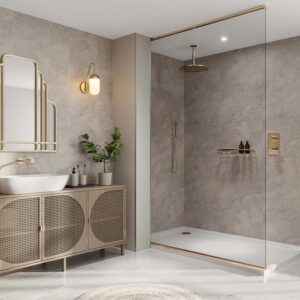
Using shower panels in your enclosure ensures a waterproof barrier while offering sleek, modern styling. It eliminates the need for grout, meaning less cleaning and no black spots over time.
2. Around the Bath
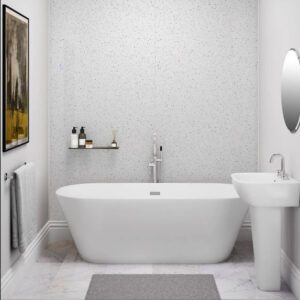
Cladding the wall surrounding your bathtub with wet wall panels or aqua panels is a practical way to protect your structure from splashes and spills.
3. Full Wall Cladding
If you want a cohesive, modern look, you can use bathroom wall panels across the entire room. It creates a spa-like atmosphere and simplifies maintenance.
4. Ceilings
Many PVC panels can also be used on ceilings, especially in rooms with high humidity. They resist damp, prevent mould growth, and can integrate LED lights for added elegance.
How to Install Bathroom Cladding
One of the most significant advantages of bathroom cladding is the DIY-friendly installation. Here’s a basic step-by-step overview:
- Prepare the Surface
The existing wall should be dry, clean, and flat. In most cases, panels can be installed over existing tiles, saving time and effort. - Measure and Cut
Use a fine-toothed saw to cut PVC panels to size. Always double-check your measurements for accuracy. - Apply Adhesive
A high-quality adhesive or a panel-specific fixing system is used to bond the panel to the wall. Some systems use a mechanical fastening approach for extra security. - Seal the Edges
Use silicone sealant around edges and joins to ensure a watertight finish. - Fit Accessories
Add trims, corner joints, or end caps to complete the installation with a polished look.
Maintenance Tips
Once your bathroom panels are up, keeping them in pristine condition is easy:
- Wipe with a soft cloth or sponge avoid abrasive materials.
- Use non-corrosive cleaners PVC and laminate panels don’t need harsh chemicals.
- Regularly check sealant lines to ensure they’re intact and re-seal if necessary.

Popular Design Trends Using Bathroom Cladding
Bathroom cladding isn’t just about practicality it’s about style, too. Here are some top design trends:
1. Marble-Effect Wet Wall Panels
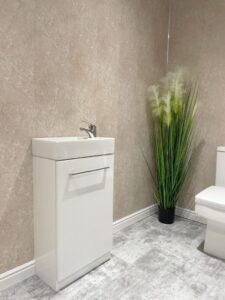
Get the luxury of marble without the price tag. Marble-effect wet wall panels are perfect for contemporary and classic bathrooms alike.
2. Matte Black or Slate Finish
Modern minimalism is in. Matte black aqua panels or slate-look cladding creates an ultra-modern look that feels high-end.
3. Wood-Look Panels
For those craving a natural feel, wood-effect PVC panels bring warmth to your bathroom without the risk of water damage.
4. Contrasting Feature Walls
Mix and match colours or textures by cladding one feature wall in a bold colour or textured finish while keeping the rest neutral.
Bathroom Cladding vs Tiles: The Verdict
| Feature | Bathroom Cladding | Traditional Tiles |
|---|---|---|
| Installation Time | Quick and easy | Labour-intensive |
| Cost | Affordable | Moderate to high |
| Waterproofing | Seamless and watertight | Prone to grout damage |
| Maintenance | Minimal, wipe-clean surface | Requires regular cleaning and regrouting |
| Aesthetic Options | Wide range of finishes and textures | Limited unless high-end tiles are used |
It’s clear: for homeowners who value style, simplicity, and savings, bathroom cladding offers a modern alternative with few drawbacks.
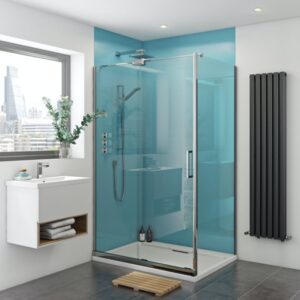
Final Thoughts: Is Bathroom Cladding Right for You?
Whether you’re remodelling a small en suite or upgrading a family bathroom, bathroom wall panels offer a compelling mix of practicality and style. With an ever-growing range of aqua panels, wet wall panels, and PVC panels, there’s a design for every taste and budget.
Gone are the days when tiles were the only option. In today’s fast-paced world, where convenience and cleanliness are key, shower panels and bathroom cladding stand out as the smart, modern choice for UK homes.
So if you’re ready to say goodbye to grout and hello to gorgeous, hassle-free walls, bathroom cladding could be your perfect solution.

