
Introduction
Bathroom renovations 2025 can be exciting but often overwhelming, especially when it comes to selecting the right materials for your walls. For years, traditional tiles have dominated bathroom interiors, but today, bathroom cladding solutions such as aqua panels, PVC panels, and wet wall panels are transforming how we design, renovate, and maintain our bathroom spaces.
In this comprehensive guide, we’ll explore everything you need to know about bathroom wall panels from their benefits and types to style inspiration and installation tips. Whether you’re planning a full bathroom makeover or simply looking to upgrade your shower area, read on to find out why bathroom panels are the future of bathroom design.

What Is Bathroom Cladding?
Bathroom cladding refers to waterproof wall coverings designed specifically for use in wet environments. Unlike traditional tiles, which require grouting and can be prone to mold and mildew, cladding panels provide a sleek, hygienic, and low-maintenance alternative. Available in a variety of materials, including PVC, acrylic, laminate, and composite, these panels are engineered to be water-resistant and easy to clean.

Why Choose Bathroom Panels Over Traditional Tiles?
Here are some key reasons homeowners are switching to bathroom wall panels:
1. Waterproof and Hygienic
Wet wall panels are completely waterproof, meaning there’s no risk of water seepage or damage behind the wall. Plus, since they’re grout-free, there’s nowhere for mold or mildew to grow, making them an ultra-hygienic choice.
2. Easy and Fast Installation
Forget the days of painstaking tile-by-tile application. PVC panels can be fitted directly over existing tiles or plasterboard, significantly cutting down on labour and time.
3. Low Maintenance
A simple wipe-down with a damp cloth is all that’s needed to keep your bathroom cladding looking brand new. No scrubbing grout lines or using harsh chemicals.
4. Stylish and Versatile
From marble-effect aqua panels to high-gloss shower panels, there’s a wide range of finishes and textures to match any aesthetic contemporary, minimalist, traditional, or industrial.

Types of Bathroom Wall Panels
Let’s break down the main types of bathroom panels you can choose from:
1. PVC Panels
Lightweight, affordable, and easy to install, PVC bathroom panels are the most popular type of cladding on the market. They’re available in a wide variety of designs and are ideal for DIY installations.
2. Aqua Panels
Aqua panels are specially designed for high-moisture areas like showers. Made from a composite core with a waterproof surface, they offer superior durability and are often used in luxury bathroom upgrades.
3. Wet Wall Panels
Wet wall panels are typically made of solid laminate or composite materials, offering a more premium finish. These are ideal for high-use bathrooms and offer long-lasting performance.
4. Shower Panels
As the name suggests, shower panels are tailored for the shower area. They often come in sets or kits designed to fit seamlessly into shower enclosures, making them a go-to for quick and efficient bathroom upgrades.
Applications of Bathroom Cladding
Bathroom cladding isn’t limited to the walls alone. Here are some creative ways to use bathroom panels:
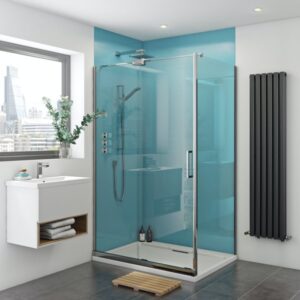
- Shower enclosures: Replace tiles with waterproof shower panels for a sleek, modern look.
- Feature walls: Use high-gloss or textured bathroom wall panels to create an eye-catching statement wall.
- Ceilings: Lightweight PVC panels are ideal for moisture-prone bathroom ceilings.
- Vanity backsplashes: Coordinate your wall cladding with your sink area for a cohesive design.
Design Inspiration: Styles & Finishes
1. Marble & Stone Effect
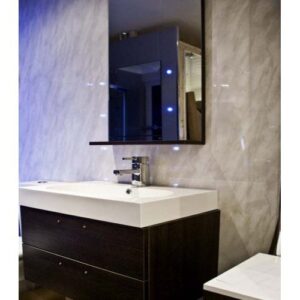
Perfect for spa-inspired bathrooms, marble-effect aqua panels mimic the elegance of natural stone without the heavy price tag or maintenance.
2. Glossy White Panels
Minimalist and modern, glossy white PVC panels brighten small bathrooms and reflect light beautifully.
3. Tile-Effect Panels
Love the look of tiles but hate the maintenance? Opt for tile-effect wet wall panels that offer the aesthetic appeal of tiles without the grout.
4. Wood-Effect Panels
Bring warmth into your bathroom with timber-look bathroom cladding that offers rustic charm with waterproof functionality.

How to Install Bathroom Panels
While many panels are DIY-friendly, here are the general steps to follow:
Step 1: Measure Your Space
Carefully measure the wall area to determine how many panels you need. Don’t forget to account for doors, windows, and fixtures.
Step 2: Prepare the Surface
Ensure the existing surface is clean, dry, and flat. You can install PVC panels over tiles, plasterboard, or even brick walls.
Step 3: Cut Panels to Size
Use a fine-toothed saw or utility knife to trim the panels to fit your space.
Step 4: Apply Adhesive
Use a suitable panel adhesive on the back of the panel and press it firmly against the wall.
Step 5: Seal the Joints
Use waterproof sealant on all edges and corners to prevent water ingress.

Common Questions About Bathroom Cladding
Are bathroom panels better than tiles?
It depends on your priorities. If you want something quick to install, waterproof, low-maintenance, and modern, bathroom panels are an excellent choice.
Can I fit panels over existing tiles?
Yes! One of the key benefits of PVC panels and wet wall panels is that they can be installed directly over tiles, saving time and labor.
How long do bathroom panels last?
High-quality aqua panels and shower panels can last 10-15 years or more with minimal maintenance.
Do I need special tools for installation?
Basic tools like a measuring tape, level, saw, and adhesive are all you need for most PVC panel installations.

Environmental Benefits of Bathroom Cladding
Sustainability is a growing concern, and bathroom cladding can be an eco-friendlier choice in several ways:
- Less Waste: Because you can fit bathroom wall panels over existing surfaces, there’s less demolition and debris.
- Durability: Their long life means fewer replacements and reduced consumption.
- Recyclable Materials: Many PVC panels are recyclable at the end of their lifecycle.

Maintenance Tips
To keep your bathroom panels in top shape:
- Clean with mild detergent: Avoid abrasive cleaners that can scratch the surface.
- Ventilate your bathroom: While panels are waterproof, good ventilation prevents condensation build up.
- Check sealants annually: Reapply sealant as needed to ensure waterproofing.

Final Thoughts: Are Bathroom Panels Right for You?
If you’re looking for a stylish, cost-effective, and low-maintenance alternative to tiles, then bathroom cladding could be the perfect solution. With a variety of options from aqua panels to wet wall panels, and finishes ranging from classic white to natural stone, you’ll find the perfect match for your design vision.
Whether you’re renovating a modern en suite or upgrading a family bathroom, bathroom panels offer a blend of functionality and flair that’s hard to beat. Ditch the grout, save on labour, and enjoy a beautiful bathroom that’s built to last.
Ready to transform your bathroom? Explore a wide range of PVC panels, shower panels, and bathroom cladding options today to kick-start your dream renovation!

